The Top Ingredients That Define Jamaican Food
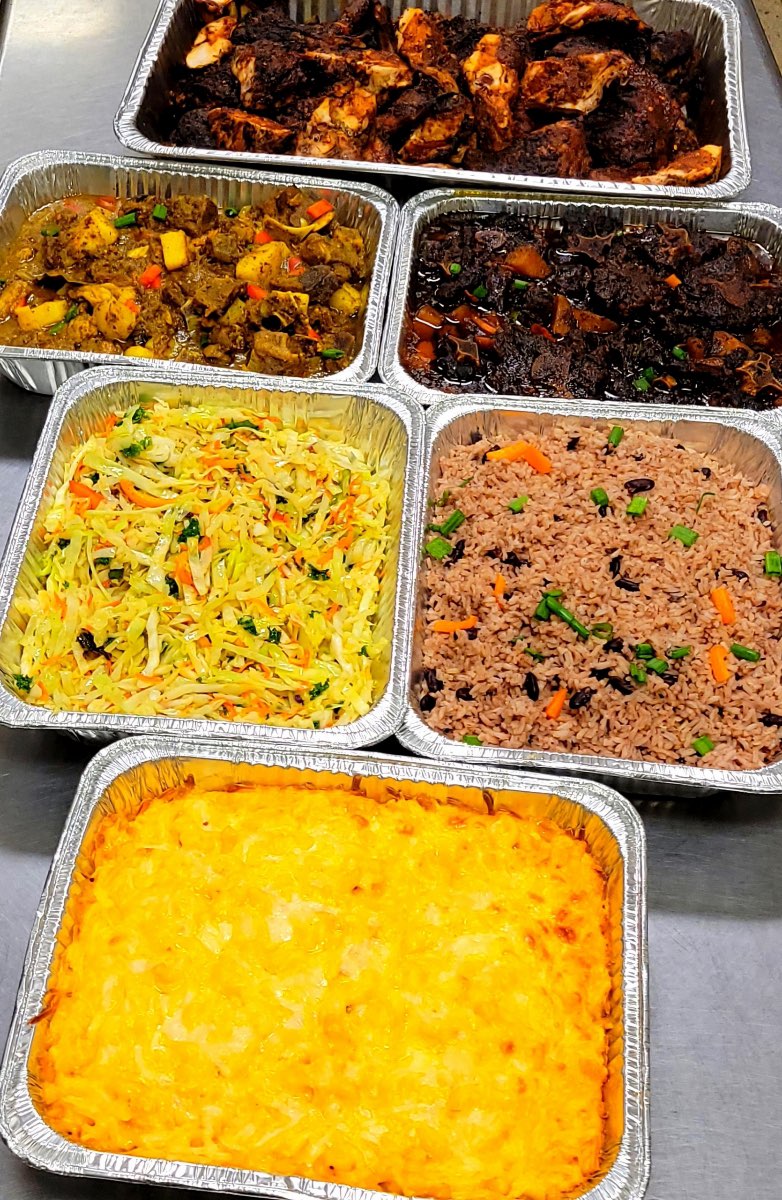

Jamaican food has a way of announcing itself before it reaches the table. You smell it first, on the street outside a jerk pan, from a kitchen where curry is catching in hot oil, or from a pot where thyme, scallion, and Scotch bonnet have been simmering long enough to season the whole house. The food is bold, but not careless. It relies on intensity, balance, and memory. Heat matters, yes, but so do sweetness, smoke, herbs, salt, acidity, and the slow layering of flavor that comes from cooking with confidence rather than rushing.
When people try to describe Jamaican food in a single phrase, they often reduce it to “spicy” or “jerk.” That misses the real story. The cuisine is built from a set of ingredients that show up again and again in different combinations, changing character depending on the dish. The same Scotch bonnet that gives jerk chicken its famous fire can bring fruitiness to an escovitch sauce. The same allspice berries that perfume a marinade can deepen a stew or flavor a sweet baked good. What defines the cuisine is not one ingredient used once. It is a core pantry and garden, used with judgment.
The best https://landenwtol198.yousher.com/the-art-of-cooking-authentic-jamaican-food way to understand Jamaican food is to look closely at those ingredients, what they taste like, how they behave in the pot, and why cooks return to them so often.
Allspice, the quiet backbone
If one ingredient deserves to be called foundational, it is allspice. In Jamaica, it is often referred to as pimento, and its role in the cuisine is bigger than many outsiders realize. The dried berries smell like a blend of cinnamon, clove, nutmeg, and pepper, which explains the English name, but the flavor is more grounded than that description suggests. It is warm, slightly sweet, woody, and faintly medicinal in a way that becomes deeply savory when heat is applied.
Allspice is central to jerk seasoning, where it works with Scotch bonnet, thyme, scallion, and sometimes ginger to create that unmistakable profile. Used whole, it can perfume soups, stews, and rice dishes. Ground, it folds into rubs and marinades. In some kitchens, berries are tossed directly onto pimento wood fires, where they contribute smoke as well as aroma.
What makes allspice so important is not simply its strength. It ties other ingredients together. Heat from chile can feel sharp on its own. Garlic and onion can become blunt. Allspice rounds those edges. A jerk paste without enough allspice often tastes hot and salty but not truly Jamaican. A stew missing that note can still be good, but it will lack the familiar depth that many people recognize immediately, even if they cannot name it.
There is also a practical side to it. Whole berries hold their flavor well, which matters in a tropical pantry. Ground allspice is convenient, but it dulls faster. Cooks who want the strongest result usually crush the berries close to cooking time. That small step changes the dish more than people expect.
Scotch bonnet, heat with fruit behind it
Scotch bonnet peppers are often treated like a dare, but that is the wrong way to approach them. Their value in Jamaican food is not just their heat. It is their aroma, that tropical, almost floral fruitiness that sits behind the burn. Used properly, a Scotch bonnet makes food taste brighter and more alive, not merely hotter.
In jerk, the pepper cuts through the richness of chicken or pork. In pepper sauces, it provides the backbone. In soups and stews, whole bonnets are sometimes simmered to infuse flavor more gently. A cook can leave the pepper intact, allowing the broth to take on scent and moderate warmth. Once the pepper bursts, the dish changes fast. That is the kind of detail people learn through repetition rather than recipes.
This is one of the ingredients where judgment matters most. Too little, and the food tastes flat. Too much, and everything else disappears. Good Jamaican food rarely aims for pain. It aims for presence. The pepper should be felt, but you should still taste the thyme, the pimento, the scallion, the meat, the coconut milk, or the fish beneath it.
For anyone cooking outside Jamaica, Scotch bonnet can be hard to source consistently, and habanero is the usual substitute. That works in a pinch because the heat level is similar, but the flavor is not identical. Habanero can be sharper and less rounded. If the dish depends heavily on chile flavor, that difference shows.
Thyme, the herb that appears everywhere
Thyme is one of the clearest signatures of Jamaican food. It appears in soups, stews, rice and peas, curries, brown stew dishes, and marinades. It is not a decorative herb added at the end. It is structural.
Fresh thyme is ideal because it releases its flavor slowly during cooking and stands up to long simmering. Dried thyme can work, but it lacks some of the brightness and piney edge that fresh sprigs bring. In many Jamaican kitchens, thyme goes into the pot early, where it seasons from within rather than sitting on top.
Part of its power lies in how well it behaves with other major ingredients. It loves chile heat, works naturally with coconut milk, sharpens the savory side of beans, and complements both chicken and fish. In rice and peas, thyme helps make the dish more than a starchy side. It gives the pot character.
This is also an ingredient that demonstrates restraint. A few sprigs can season a whole dish. Too much thyme, especially dried, can make food bitter or dusty. That balance matters. Jamaican food is assertive, but the best versions are never random. They are composed.
Scallion, onion, and garlic, the aromatic base
Many cuisines have a flavor base that starts the cooking process. In Jamaican food, scallion, onion, and garlic often fill that role together, each contributing something slightly different. Scallion brings freshness and a green bite. Onion offers sweetness and body. Garlic adds depth and edge.
Scallion deserves special attention because it is more prominent in Jamaican cooking than in many North American kitchens. It shows up in jerk seasoning, steamed fish, soups, and patties, and it is often used generously. Chopped and crushed into marinades, it releases juices that blend readily with thyme, allspice, and pepper. In cooked dishes, it softens and sweetens without disappearing completely.
The ratio between these aromatics shifts depending on the dish. A curry may lean more heavily on onion and garlic. A jerk paste often gives scallion a starring role. In fish preparations, scallion’s freshness can help keep the dish lively against rich or oily elements.
A common mistake in home versions of Jamaican food is underusing the aromatic base. Recipes may call for one or two scallions and a little onion, but the food usually benefits from more confidence. These are not background ingredients. They are part of the identity.
Ginger, often supporting, never irrelevant
Ginger does not dominate every Jamaican dish, but when it appears, it matters. Fresh ginger brings warmth, citrusy sharpness, and a clean spicy note that works especially well in jerk marinades, curries, beverages, and some desserts.
Its role is often supportive rather than central. In a marinade, ginger lifts heavier flavors and keeps the blend from feeling muddy. In a curry, it adds brightness that balances the richness of fat and spices. In drinks such as ginger beer, it takes the lead and shows how prized its pungency is in the Jamaican palate.
The key with ginger is freshness. Powdered ginger has its place in baking, but for savory dishes it cannot match the liveliness of the fresh root. Grated or pounded ginger disperses more fully than sliced pieces, which matters if you want the flavor woven through a marinade rather than sitting in little pockets.
Coconut milk, richness with a soft sweetness
Coconut milk is one of the ingredients that gives Jamaican food some of its most comforting textures. It can turn rice and peas into something fragrant and lush, enrich rundown, soften the edge of spices in curry, and add sweetness to both savory and sweet dishes.
What makes coconut milk especially useful is its flexibility. It can behave as a background ingredient, quietly improving body and aroma, or it can define a dish outright. In rice and peas, for example, a thin or timid use of coconut milk leaves the dish tasting plain. A generous but measured amount produces grains that carry flavor all the way through.
Not all coconut milk performs equally. Freshly extracted coconut milk has a depth and natural sweetness that canned products rarely match. Still, good canned coconut milk can work very well. The issue is often not authenticity in the abstract but fat content and stability. Thin canned products can make a dish watery and disappointing. Better ones create the creamy texture people expect.
There is also a balancing act here. Coconut milk is pleasant, but too much can mute the sharper notes that Jamaican food relies on. A curry with excessive coconut can lose its spice definition. Rice and peas can become heavy. Experienced cooks let coconut enrich rather than smother.
The bean called “peas” in rice and peas
Rice and peas is one of the best known Jamaican dishes, and its name causes confusion for people expecting green peas. In most traditional versions, the “peas” are kidney beans or gungo peas, also known as pigeon peas. The choice depends on region, occasion, availability, and preference.
Kidney beans bring creaminess and a deep color to the pot liquor. Gungo peas, especially when fresh or canned in season, offer a more delicate, earthy flavor. Either way, the dish is not just rice cooked beside beans. It is rice cooked in bean liquid, coconut milk, thyme, scallion, and usually Scotch bonnet, so the grain absorbs seasoning from the first simmer.
That detail matters because rice and peas tells you a great deal about Jamaican cooking. Even staple starches are built with aromatics and intention. The goal is never blankness. The side dish should be able to stand on its own, even when paired with oxtail, fried chicken, curried goat, or escovitch fish.
When cooks get rice and peas right, the grains stay distinct, the beans remain tender without collapsing, and the coconut, herb, and pepper notes are present without competing. It sounds simple until you try to produce it consistently. Heat control, liquid ratio, and bean texture all matter.
Curry powder, adapted and made local
Curry in Jamaica has its own personality. It shares roots with Indian spice traditions, brought and adapted through history, but the way Jamaican cooks use curry powder creates a result that is distinctly local. Jamaican curry tends to be turmeric-forward, fragrant, and savory, often with notes of coriander, cumin, fenugreek, and allspice depending on the blend.
One of the small but important techniques is “burning” the curry, which means briefly frying the powder in oil at the beginning of cooking. That step wakes up the spices, deepens the color, and removes any raw, dusty taste. Skip it, and the dish can taste flat no matter how long it simmers.
Curry goat is perhaps the most famous example, but curry chicken, shrimp, and vegetables are also common. Potatoes often appear because they absorb flavor well and help extend the sauce. Scotch bonnet, thyme, scallion, and garlic usually join the mix, which is where the dish clearly becomes Jamaican rather than generically curried.
The trade-off with curry powder is freshness. Many blends sold abroad sit on shelves too long, and their flavor fades. A good Jamaican curry should smell vivid as soon as it hits the oil. If it does not, the final dish rarely recovers.
Browning, the color and flavor of many stewed dishes
One ingredient that surprises people is browning, a dark liquid made from caramelized sugar, sometimes with water and stabilizers depending on the brand. It is commonly used in brown stew chicken and other dishes where rich color and faint bitterness are part of the profile.
Browning does more than darken food. Used carefully, it adds complexity and a subtle roasted sweetness. Used carelessly, it can make a dish taste burnt. This is one of those ingredients where a teaspoon too much can be the difference between depth and harshness.
Brown stew chicken depends on that balance. The chicken is seasoned, often browned, then simmered with onion, scallion, thyme, garlic, peppers, and sometimes tomato. Browning gives the sauce its characteristic color and slightly bittersweet edge. Without it, the dish can still be pleasant, but it tastes less complete.
Home cooks sometimes try to replace browning with soy sauce or Worcestershire sauce, but those substitutions change the flavor profile. Browning is not mainly about salt or acidity. It is about caramelized depth.
Saltfish, a preserved ingredient with enormous cultural weight
No discussion of Jamaican food is complete without saltfish, usually salted cod. It is the defining partner in ackee and saltfish, the national dish, but its importance goes beyond that one plate. Saltfish reflects preservation, trade history, thrift, and a style of cooking that knows how to transform humble ingredients into something memorable.
Prepared properly, saltfish offers firmness, salinity, and concentrated savory flavor. It must be soaked and boiled to remove excess salt, then flaked and cooked with aromatics. The process sounds straightforward, but there is a narrow margin between under-desalting and washing away too much character. Cooks learn to taste and adjust.
Paired with ackee, onion, tomato, thyme, scallion, and Scotch bonnet, saltfish creates one of the most distinctive textures in the Caribbean. It also appears in fritters and other savory preparations. What makes it so important is not luxury but identity. It is proof that Jamaican cooking values technique and seasoning as much as expensive ingredients.
Ackee, singular and instantly recognizable
Ackee is unlike anything else regularly eaten in Jamaican food. When ripe and properly prepared, its soft yellow flesh has a delicate richness that many compare loosely to scrambled eggs or butter, though neither comparison fully captures it. It is mild, creamy, and absorbent, which makes it an excellent partner for saltfish and assertive seasonings.
Ackee is also a reminder that Jamaican cooking involves knowledge, not just ingredients. The fruit must be harvested and handled correctly because unripe ackee is unsafe to eat. That practical knowledge has always been part of the cuisine.
Flavor-wise, ackee’s gentleness is its strength. It does not fight with saltfish, thyme, pepper, or tomato. It takes on their seasoning while contributing softness and body. That is why ackee and saltfish works so well. The dish is not flashy. It is balanced.
For people outside Jamaica, canned ackee is usually the accessible option. It can be very good, but it must be handled with care because the flesh is delicate and can break apart if stirred aggressively. That is another small example of how Jamaican food rewards a gentle hand when the ingredient demands it.
Cassava, plantain, and other starches that shape the table
Not every defining ingredient is a spice or aromatic. Jamaican food is also built around starches that ground the meal and carry flavor in subtler ways. Cassava, green banana, yam, coco, sweet potato, breadfruit, and plantain all have important places in the cuisine.
Plantain may be the most widely recognized. Green plantain can be boiled or fried, while ripe plantain turns sweet, soft, and deeply caramelized when cooked. It offers contrast on the plate, especially beside salty or spicy mains. Fried ripe plantain with jerk chicken or escovitch fish is more than garnish. It is relief, sweetness, and texture.
Cassava appears in bammy, a flatbread or cake traditionally made from grated cassava, pressed and cooked. Bammy is especially good with fish because it can absorb juices without disintegrating. Breadfruit, roasted or fried, has a starchy, satisfying quality that pairs naturally with smoky and savory foods. These ingredients may not carry the dramatic aromas of Scotch bonnet or allspice, but they help define the shape of a Jamaican meal.
A pantry that tastes like place
Some ingredients matter because of what they do in a single dish. Others matter because they create a recognizable pattern across the cuisine. Jamaican food depends on recurring combinations: thyme with scallion, allspice with Scotch bonnet, coconut milk with beans and rice, curry with garlic and onion, browning with stewed meats. Once you recognize those pairings, the cuisine becomes easier to understand.
A few of the most important combinations show up so often that they are worth noticing:
| Combination | What it contributes | | --- | --- | | allspice and Scotch bonnet | warmth, fruitiness, heat, and the core of jerk flavor | | thyme and scallion | herbal freshness that seasons soups, rice, and stews from within | | coconut milk and beans | richness and body in rice and peas, with sweetness that softens spice | | curry powder and hot oil | deeper aroma, fuller color, and a more rounded savory flavor | | ackee and saltfish | soft richness against salinity and aromatics, one of the cuisine’s most distinctive textures |
The point is not that every Jamaican dish contains all these ingredients. It is that the cuisine has a flavor grammar. Once you learn that grammar, the food stops feeling mysterious. You begin to see why a pot of soup smells right with thyme and scallion, why jerk needs pimento to feel complete, and why coconut milk belongs in rice and peas even when the dish seems simple on paper.
What these ingredients reveal about Jamaican cooking
The ingredients that define Jamaican food reveal a cuisine shaped by movement, adaptation, agriculture, and technique. Indigenous ingredients, African knowledge, European colonial trade, Indian influence, Chinese influence, and local ingenuity all sit in the same pot. That history is audible in the pantry. Saltfish speaks to preservation and trade. Curry powder speaks to migration and adaptation. Allspice and Scotch bonnet speak to the island itself.
Just as important, these ingredients show a preference for food with backbone. Jamaican cooking does not chase blandness or extreme refinement for its own sake. It likes flavor you can identify with your eyes closed. Smoke should smell like smoke. Thyme should taste like thyme. Pepper should carry real heat. Coconut should taste like coconut, not just creaminess. That clarity is one reason the food has such wide appeal.
People often talk about recipes when they discuss Jamaican food, but recipes only tell part of the story. The real identity of the cuisine lives in the ingredients and in the judgment used to handle them. Knowing when to leave a Scotch bonnet whole, when to fry curry long enough but not too long, how much browning is enough, or how to keep ackee intact, those are the decisions that make the food feel lived-in and true.
That is what these ingredients define in the end. Not just a collection of dishes, but a way of cooking that is vivid, practical, and deeply rooted. Jamaican food tastes like confidence because its core ingredients have been trusted for generations, and when they are used well, they still say exactly where the food comes from.
Reggae Pot Jamaican Grill
7562 S University Blvd C, Centennial, CO 80122
(303) 997-5623
FAQ About jamaican food
What is the best Jamaican food to try in Centennial?
The best choice depends on your preferences. Reggae Pot Jamaican Grill offers jerk chicken, curry goat, oxtail, and escovitch snapper, along with sides such as rice and peas and fried plantains. Ask the restaurant about current availability and spice levels before ordering.
Is Jamaican food very spicy in Centennial?
Heat varies by dish and preparation. Jerk dishes can be hot, while some stews and sides are milder. Tell the restaurant your preferred heat level and ask which options suit you.
What is typically on a Jamaican menu?
Common choices include jerk chicken, curries, oxtail, fish, patties, rice and peas, and plantains. Reggae Pot also lists ackee and saltfish and vegetable dishes. Menus and availability can change, so confirm your choices when ordering.