The Evolution of Jamaican Food Over the Years
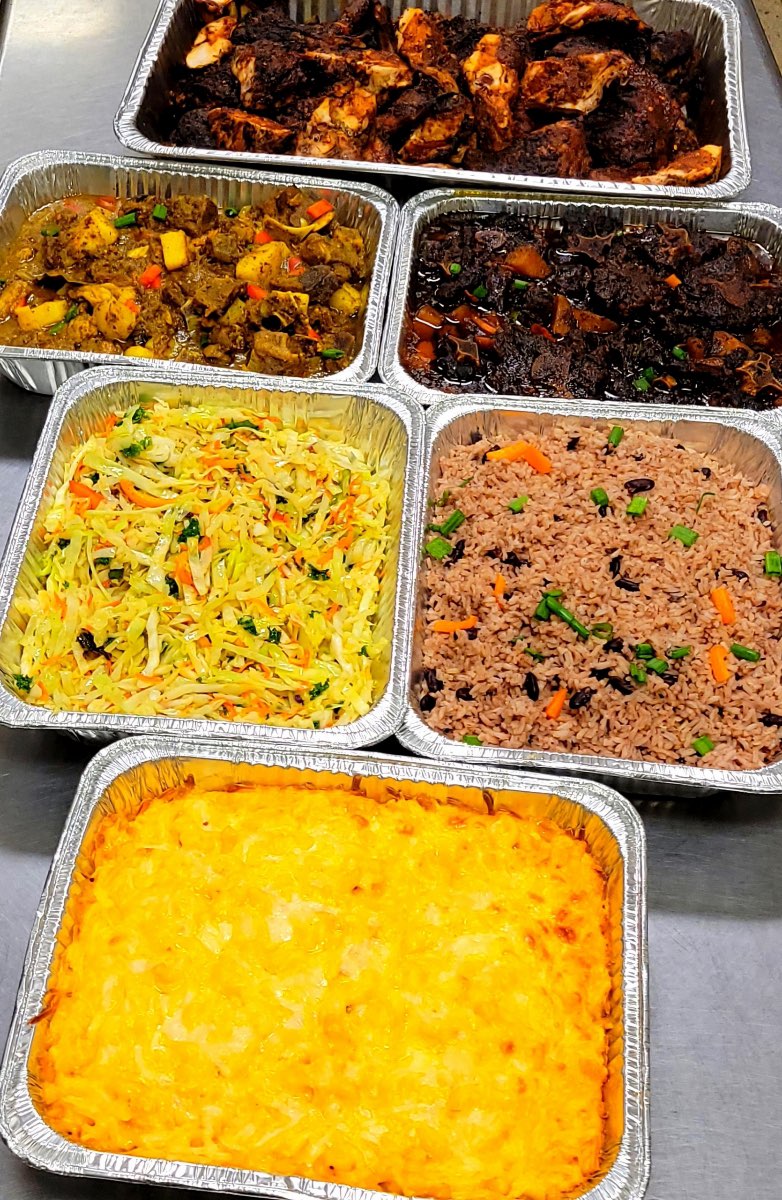
Jamaican food did not emerge fully formed from a single tradition, nor did it stand still once it took shape. It evolved in kitchens built by migration, trade, necessity, resistance, celebration, and memory. To understand how it changed over the years, you have to look beyond the plate. The story lives in the island’s history, in the crops that survived droughts and storms, in the cooking methods people protected under pressure, and in the way recipes shifted when communities had to make do with what was available.
That is one reason Jamaican food remains so compelling. It carries a remarkable range of influences, yet it still feels unmistakably itself. A pot of curry goat, a piece of escovitch fish, a bowl of mannish water, a festival fresh from hot oil, or a spoonful of callaloo all belong to the same culinary world, even though their roots stretch in different directions. Over time, techniques merged, ingredients were adapted, and tastes sharpened into something deeply local.
A cuisine shaped by the island’s earliest foodways
Long before modern Jamaican food took recognizable form, the island’s first inhabitants laid down some of the essential groundwork. The Taíno people cultivated cassava, maize, peppers, sweet potatoes, and other crops suited to the climate. They also left behind techniques and words that still echo in the kitchen. Barbacoa, the slow cooking of meat over a raised wooden frame, is one of the most famous examples. It eventually influenced barbecue traditions across the Americas, but its place in the Caribbean matters just as much.
Cassava remains especially important in this early chapter. It was practical, durable, and adaptable. In a tropical environment where storage could be difficult, cassava offered a reliable starch that could be processed into breads and other staples. That emphasis on hardy provisions would continue throughout Jamaican culinary history. Even now, the island’s everyday table still relies heavily on foods that keep well, fill the belly, and respond well to boiling, roasting, frying, or stewing.
The early food landscape was tied tightly to survival and seasonality. People ate what the land and sea allowed, and they built a cuisine around local abundance rather than imported luxury. That logic never fully disappeared, even after centuries of outside influence.
Colonial rule changed ingredients, labor, and taste
The arrival of Europeans transformed the island’s food system in profound and often brutal ways. Spanish occupation introduced livestock and new farming patterns. British colonization expanded plantation agriculture and connected Jamaica to a larger Atlantic trade network, one driven by sugar and sustained by the forced labor of enslaved Africans. From a culinary perspective, this period altered everything, from what was grown to who cooked it.
Sugarcane came to dominate the economy, but the byproducts of sugar production also found their way into everyday life. Molasses and rum became central to both commerce and cooking. Sweetness in Jamaican food was never only about dessert. It seeped into sauces, drinks, cakes, and preserved foods. The island’s later love of dense fruit cakes, jamaican food rum-soaked confections, and sweet fried dough owes something to this sugar economy, though that legacy cannot be history of Jamaican cuisine separated from the exploitation that built it.
At the same time, imported salted cod, known locally as saltfish, entered the diet through colonial trade. It was inexpensive, durable, and widely distributed across the Caribbean because it could withstand long voyages. Over time, it ceased to be merely a colonial commodity and became one of the defining ingredients of the Jamaican kitchen. Ackee and saltfish, now widely regarded as Jamaica’s national dish, tells that story clearly. Ackee is a West African fruit that adapted beautifully to the island, while saltfish came through imperial trade routes. Put together with onions, tomatoes, scallions, thyme, and Scotch bonnet, they become something new and distinctly Jamaican.
That pattern appears again and again in the evolution of Jamaican food. Ingredients may arrive through difficult histories, but cooks transform them with local technique and taste until they belong to the island on their own terms.
African knowledge sits at the heart of the cuisine
If one influence forms the core of Jamaican food, it is African culinary knowledge. Enslaved Africans brought not only ingredients but also methods, flavor preferences, and agricultural skill. This is visible in one-pot cooking, in the use of leafy greens, in the deep appreciation for yams and other ground provisions, and in the confident use of spice and heat.
Callaloo is one example that often gets simplified. It is easy to describe it as a green vegetable dish, but that misses its history and flexibility. Across the Caribbean, callaloo means different things depending on the island, the available greens, and the cook’s habits. In Jamaica, it is often sautéed or steamed with onion, garlic, thyme, tomato, Scotch bonnet, and sometimes saltfish. The dish is modest, but it carries the sensibility of making vegetables satisfying, deeply seasoned, and worth centering.
African influence also shaped the way Jamaicans think about texture and whole-animal cooking. Soups and stews draw flavor from bones, feet, heads, tripe, and offcuts that other food traditions may overlook. Cow foot soup, red peas soup, and mannish water are not just hearty dishes. They reflect a culinary intelligence built under scarcity, where flavor and nourishment had to be extracted from every possible source. That resourcefulness is one of the strongest through-lines in Jamaican food history.
Even ingredients now treated as staples often trace back to this period of forced migration and adaptation. Okra, pigeon peas, plantains used in savory cooking, and certain yam varieties all fit into this larger pattern. The cuisine grew not by accident, but because people with knowledge and discipline made an unfamiliar island feed them.
Maroon cooking preserved older methods and fierce independence
Any serious discussion of Jamaican food over the years should make room for Maroon communities. Formed by Africans who escaped enslavement and established independent settlements, the Maroons preserved some of the island’s most resilient food traditions. Their cooking reflected mobility, secrecy, and close knowledge of the land. Wild game, smoked meats, root vegetables, herbs, and slow methods all played a part.
Jerk is the best-known example, though it is often misunderstood outside Jamaica. In many export markets, jerk becomes a sweet, sticky seasoning or a generic spice blend. Traditional jerk is more exacting than that. It depends on preserving and flavoring meat with salt, pimento, Scotch bonnet, and herbs, then cooking it slowly over pimento wood. The smoke matters. The heat matters. The patience matters. So does the environment in which the technique developed. Jerk was practical for people who needed food that would keep and cooking methods that did not always give away their location.
That is one reason authentic jerk has such depth. It is not only spicy. It is woody, aromatic, savory, and layered. Good jerk does not assault the palate in one note. It unfolds. Anyone who has stood beside a roadside jerk pan in Boston Bay, St. Ann, or the hills outside Kingston knows the smell arrives before the food does. You catch pimento smoke first, then the sweet edge of caramelizing meat, then the sharper lift of pepper and thyme.
Over the years, jerk moved from a regional and community-rooted preparation to a national symbol and then to a global brand. That growth brought visibility, but it also led to dilution. Even so, in Jamaica itself, the traditional method still holds authority. People know the difference.
Indian, Chinese, and Middle Eastern migrants broadened the table
After emancipation in the nineteenth century, Jamaica saw the arrival of indentured laborers and migrants from India, China, and the Middle East, along with continued movement from elsewhere in the Caribbean. Their impact on Jamaican food was lasting and practical rather than ornamental.
Indian influence is easiest to spot in the island’s love of curry. Jamaican curry goat is now iconic, but its flavor profile differs from many Indian versions. The curry powder used in Jamaica developed its own balance, often heavy on turmeric, coriander, fenugreek, and allspice, with local handling shaping the final taste. Goat is seasoned aggressively, marinated well, and cooked until tender, often with potatoes absorbing the sauce. It is a dish that shows how imported spice traditions become local comfort food.
Roti followed a similar path. In Jamaica, roti became especially popular in urban areas and among communities open to cross-cultural eating. Some versions stay close to Trinidadian forms, while others bend toward Jamaican expectations, with richer curries, hotter pepper, or fillings tailored to local demand.
Chinese Jamaican cooking left a quieter but equally significant mark. Chinese migrants opened groceries, bakeries, and restaurants, and they influenced the way many Jamaicans approached stir-frying, noodle dishes, soy-based seasoning, and certain forms of takeaway food. A generation of city diners grew up eating chow mein, sweet-and-sour dishes, and fried rice alongside patties, soups, and Sunday dinners. These foods stopped feeling foreign long ago.
You can see the result in everyday eating habits. Jamaican food is not sealed off into a rigid canon. It has always welcomed adaptation as long as the final dish satisfies local standards for flavor, portion, and soul.
The rise of the patty says a lot about modern Jamaica
Few foods illustrate Jamaican culinary evolution as neatly as the patty. At first glance, it seems simple, a flaky pastry filled with spiced meat. But its history captures several layers of exchange. The pastry shell recalls British baked goods. The use of turmeric or curry powder for color reflects South Asian influence. The filling, especially when packed with Scotch bonnet, scallion, thyme, and black pepper, is unmistakably Jamaican.
Over time, the patty became more than a snack. It became a working person’s lunch, a schoolchild’s treat, a bakery staple, and eventually an export success. Beef remains the standard, but fillings expanded to include chicken, vegetable, ackee, shrimp, soy protein, and combinations designed for both local and overseas markets.
The patty’s modern success also says something about urbanization. As Jamaica changed in the twentieth century, especially in Kingston and Montego Bay, people needed portable food that was affordable and filling. The patty met that need perfectly. Pair it with coco bread and it becomes an entire ritual. Ask different Jamaicans where they get the best patty and you will hear strong opinions, often delivered with the seriousness usually reserved for politics or cricket.
Rural staples and Sunday dinners kept older traditions alive
For all the change Jamaican food has undergone, many of its most powerful forms remain tied to rural habits and family structure. Ground provisions such as yam, green banana, boiled dumpling, breadfruit, and coco stayed important not because they were quaint, but because they were practical, nutritious, and deeply satisfying. They still anchor breakfasts and side plates across the island.
Sunday dinner deserves special attention here. In many Jamaican households, Sunday remained the day when the week’s best cooking came out in full force. Rice and peas, stewed chicken, curried goat, roast beef in some homes, fried plantain, salad, and a proper dessert or drink all had their place depending on budget and region. These meals reinforced continuity. Children learned what “real” food tasted like not from restaurants, but from family tables where seasoning was judged sharply and shortcuts were not admired.
That home cooking preserved methods that fashion could not easily erase. Browning sugar for color and depth, washing meat with lime or vinegar, letting thyme and scallion do quiet work in the background, and understanding exactly when Scotch bonnet should perfume a dish rather than dominate it, these are skills passed down through repetition. They explain why a dish made from ordinary ingredients can taste far more complete in an experienced Jamaican kitchen than in a recipe copied elsewhere.
Tourism and export changed what the world thinks Jamaican food is
By the mid to late twentieth century, tourism played a major role in shaping the international image of Jamaican food. Hotels and resorts often presented a selective version of the cuisine, emphasizing jerk chicken, rum punch, fresh fruit, grilled fish, and festive buffet dishes that were easy for visitors to recognize and enjoy. There is nothing inherently wrong with that, but it flattened the complexity of the culinary tradition.
A tourist might leave the island thinking Jamaican food is mostly barbecue, tropical sweetness, and heat. Anyone who has spent time eating with Jamaican families knows it is much broader. It includes delicate steamed fish with okra, severe early-morning soups, intensely savory liver preparations, slow-cooked peas, bitter tonics, porridges that can hold a spoon upright, and seasonal fruits eaten in ways visitors rarely encounter. There is refinement in the cuisine, but it does not always announce itself in the ways luxury hospitality expects.
Export markets also nudged the cuisine toward certain signatures. Jerk seasoning in bottles, frozen patties, curry powders, sorrel concentrates, and spice rubs made Jamaican food more accessible abroad. They also created a challenge familiar to many traditional cuisines. Once a food becomes a product, convenience can outrun accuracy. A bottled jerk marinade can be useful, but it cannot reproduce pimento wood smoke. A frozen patty can satisfy, but it rarely delivers the same texture as one eaten still warm from a local bakery case.
Migration carried Jamaican food into new cities and new forms
The Jamaican diaspora transformed the cuisine again, especially in Britain, the United States, and Canada. Migrants opened restaurants, bakeries, grocery stores, and takeout counters that served both homesick communities and curious newcomers. In London, Toronto, New York, Miami, and other cities, Jamaican food became part of the urban food landscape.
Diaspora cooking always involves substitution. Some ingredients are hard to source, too expensive, or simply not the same as they are on the island. Scotch bonnet may be replaced or blended with other hot peppers. Certain yam varieties differ. Callaloo may come canned or frozen. Breadfruit, when found, may not have the same texture it would back home. Experienced cooks adjust, but they know when an ingredient changes the result.
At the same time, migration encouraged innovation. Jamaican chefs abroad began applying traditional flavors to new formats, jerk tacos, ackee spring rolls, curry goat pies, or rum cakes aimed at wider audiences. Some versions feel gimmicky, but others are smart and well judged. The best fusion respects the grammar of the cuisine. It understands what makes Jamaican food taste Jamaican before trying to stretch it.
One useful way to think about diaspora cooking is that it often sharpens identity. When people move, food becomes one of the strongest ways to keep culture intact. That is why certain dishes gain even more symbolic importance overseas than they may have had at home. A Christmas black cake, a bottle of homemade sorrel, or a pot of rice and peas on a Sunday can stand in for an entire landscape.
Health trends, restaurant culture, and younger chefs are writing the next chapter
In recent decades, Jamaican food has entered another phase. Younger chefs, nutrition-conscious diners, and restaurant owners are reassessing old recipes without abandoning them. Some are reducing salt, grilling instead of deep-frying, or highlighting vegetables and seafood more prominently. Ital cooking, rooted in Rastafarian principles and often centered on natural, minimally processed ingredients, has gained wider appreciation beyond its original religious and cultural context.
That shift matters because it challenges the lazy stereotype that Jamaican food is only heavy or fiery. Yes, the cuisine includes rich stews and fried snacks, but it also offers elegant broths, thoughtful vegetable cookery, fresh juices, peppery salads, roasted breadfruit, coconut-based soups, and fruit traditions that are far more diverse than many outsiders realize.
Restaurant culture on the island has also matured. There are still beloved roadside stalls and cookshops, and they remain essential, but there are now chefs presenting Jamaican ingredients with more formal technique and plating. Sometimes that works brilliantly. Other times it strips away the warmth that makes the food special. The balance is delicate. Elevation should mean skill and clarity, not unnecessary distance from the culture that produced the dish.
One of the most promising developments is the renewed respect for local ingredients once treated as rustic or unfashionable. Breadfruit, cassava, otaheite apple, soursop, cerasee, and lesser-known seafood are returning to menus with new confidence. That tends to happen when a cuisine grows secure enough to value its own pantry instead of chasing imported prestige.
What has stayed the same beneath all the change
For all its evolution, Jamaican food has kept a few constants. It still values bold seasoning, but not chaos. Thyme, scallion, allspice, ginger, garlic, onion, and Scotch bonnet appear often because they work together, not because cooks are trying to prove intensity. It still respects starches and provisions as more than fillers. It still prizes dishes that can feed a crowd, stretch a budget, and satisfy after hard work. And it still carries history openly, whether diners recognize it or not.
Perhaps the most striking thing is that Jamaican food has never been static, yet it rarely loses its center. It absorbs and adapts, but it does not dissolve. That is why a modern Jamaican menu can include jerk pork, vegan ital stew, curry shrimp pasta, and a classic patty without feeling incoherent. The cuisine has spent centuries learning how to take influence and make it local.
The evolution of Jamaican food over the years is really the evolution of Jamaica itself, marked by survival, improvisation, pride, and exchange. Every era left something behind. Some contributions came through joy, others through hardship. All of them shaped the island’s table. What endures is a cuisine with memory in it, food that tastes of smoke, pepper, sweetness, labor, migration, and home.
Reggae Pot Jamaican Grill
7562 S University Blvd C, Centennial, CO 80122
(303) 997-5623
FAQ About jamaican food
What is the best Jamaican food to try in Centennial?
The best choice depends on your preferences. Reggae Pot Jamaican Grill offers jerk chicken, curry goat, oxtail, and escovitch snapper, along with sides such as rice and peas and fried plantains. Ask the restaurant about current availability and spice levels before ordering.
Is Jamaican food very spicy in Centennial?
Heat varies by dish and preparation. Jerk dishes can be hot, while some stews and sides are milder. Tell the restaurant your preferred heat level and ask which options suit you.
What is typically on a Jamaican menu?
Common choices include jerk chicken, curries, oxtail, fish, patties, rice and peas, and plantains. Reggae Pot also lists ackee and saltfish and vegetable dishes. Menus and availability can change, so confirm your choices when ordering.